
Your Voice in Ohio Government
Representing all 88 counties through 33 districts. Track legislation, find your senator, and participate in democracy.
The Ohio Senate is your direct connection to state government. Follow bills, watch live sessions, submit testimony, and shape the laws that affect your life.
Find Your SenatorFIND YOUR VOICE
Find Your Ohio Senator
Enter your address to discover who represents you in the Ohio Senate. Learn about their priorities, track their voting record, and share your views on pending legislation.
We'll show you your senator's name, district, contact information, and office hours.
Prefer to browse visually? View the Senate district map to find your representative by location.
All 33 Ohio senators represent the state's 88 counties. Your senator's office is open Monday through Friday, 8:30 a.m. to 4:30 p.m., or by appointment.

Track Legislation
Follow bills through committee, floor votes, and enactment. Track the bills that matter to you. With searchable Ohio legislative journals and real-time bill status, you can monitor legislation from introduction all the way to the Governor's desk.
-
1
Search by Bill Number
Find any bill by its number—SB 1, HB 50, or any other legislation. Enter the bill number in the search box and get instant access to its status, sponsors, and history.
-
2
Follow Your Bill's Journey
Watch legislation move through each stage: introduction, committee assignment, floor debate, voting, and final passage. See exactly where your bill stands in the process at any moment.
-
3
Track Multiple Bills Over Time
Use "My Ohio Legislature" to create a personalized list of bills you care about. Get updates as they progress through the legislative process without searching each one individually.
-
4
Access Complete Legislative Records
View official Senate journals, committee testimony, voting records, and amendments for every bill. All records are public, searchable, and available free to anyone researching Ohio legislation.
-
5
Stay Informed on Current Session
Check the current General Assembly session status, upcoming session dates, and which bills are scheduled for floor consideration. The Senate typically meets Tuesdays and Wednesdays at 1:30 p.m. and Thursdays at 11:00 a.m.
Ready to dive deeper? Visit the Legislation page for advanced search tools and comprehensive bill tracking resources.
Committees & Hearings
Committees are where the real work of the Senate happens. Senators debate bills, hear from experts and constituents, and decide whether to recommend bills for a full Senate vote. Your voice matters—you're welcome and encouraged to testify.
Committee Schedule
View upcoming hearings and meeting times. Schedules are updated weekly so you can plan to attend or submit testimony on bills that matter to you.
Committee Memberships
See which senators serve on each committee. Understanding who's involved helps you target your outreach and find allies on issues you care about.
How to Submit Testimony
Testify in person or submit written testimony. We'll walk you through registration, what to expect, and how to make your voice heard on legislation.
Watch Committee Hearings
Stream live committee hearings or search the video archive. Observe the debate, amendments, and public input that shape Ohio's laws.
Ready to dive deeper? Explore the full Committees & Hearings page for detailed schedules, member rosters, and step-by-step testimony guidance.
Watch Your Government in Action
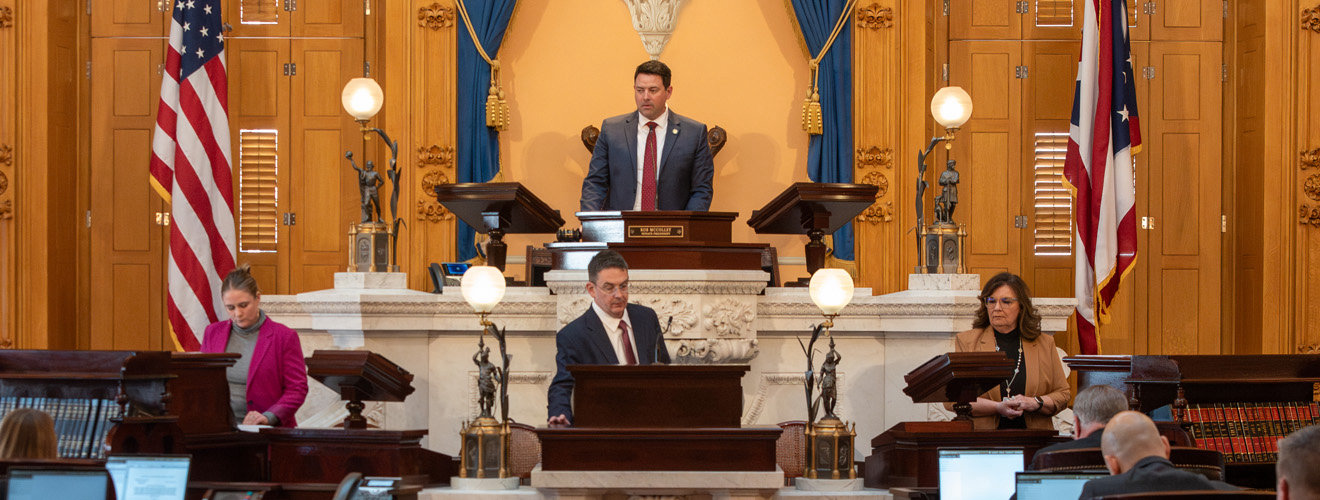
The Ohio Senate broadcasts live sessions and committee hearings so you can observe how your state government works. Watch in real time or browse our complete video archive anytime.
Live Senate Sessions
Sessions typically meet Tuesdays and Wednesdays at 1:30 p.m. and Thursdays at 11 a.m. Watch live streams directly on ohiosenate.gov or browse the Ohio Channel.
Searchable Video Archive
Access past sessions and committee hearings anytime. Search by bill number, committee name, or date to find the specific hearing or floor debate you're looking for.
Transparency & Public Access
Every committee hearing and floor session is recorded and available to the public at no cost. This is how Ohio residents stay informed and hold their government accountable.
How a Bill Becomes a Law in Ohio
Every law that governs Ohio starts as an idea—maybe from a senator, a constituent, or a community group. That idea becomes a bill, and then it travels through a deliberate process designed to examine it from every angle, hear from Ohioans affected by it, and vote on whether it should become law. Understanding this journey helps you see where your voice matters most.
The process typically takes months, sometimes years. Bills don't move automatically—they require debate, amendment, and genuine deliberation. Along the way, committees filter hundreds of bills down to a few dozen that make it to the full Senate floor. This isn't bureaucracy for its own sake; it's how the Senate ensures that only well-considered legislation reaches a final vote.
Understanding the legislative process helps you know exactly where to engage—and when your testimony will make the most difference.
Introduction & First Consideration
A senator introduces a bill, assigns it a number (SB or HB), and it's read into the record. This is the official start of the legislative journey.
Committee Assignment & Hearing
The bill is assigned to a relevant committee—say, Health or Finance. The committee schedules a public hearing where senators, experts, and constituents can testify. This is where you can share your voice on how the bill affects you.
Committee Debate & Amendment
Senators on the committee debate the bill, propose amendments, and vote on whether to recommend it to the full Senate. Many bills stop here—they don't advance out of committee.
Floor Consideration & Debate
If the bill passes committee, it moves to the Senate floor. All 33 senators can debate it, propose further amendments, and discuss its merits and concerns. Sessions are streamed live so you can watch your government in action.
Senate Floor Vote
Senators vote on the bill. A simple majority (17 of 33) is needed to pass. Each vote is recorded and becomes part of the official journal—public record you can access anytime.
House of Representatives
The bill goes to the Ohio House of Representatives, where it goes through a similar process: committee, floor debate, and a vote. The House may amend it, which means it returns to the Senate for agreement.
Governor's Signature
If both chambers pass the same version, the bill goes to the Governor. The Governor can sign it into law, veto it, or take no action (in which case it becomes law after a set period). A veto can be overridden if both chambers vote again with a supermajority.
This process takes time because deliberation matters. Senators represent 88 counties and roughly 350,000 constituents each. They need to understand how legislation will affect teachers, farmers, small business owners, and families across Ohio. Committee hearings are where that understanding develops—and where your testimony can genuinely shape the outcome.
Want to follow a specific bill through this process? You can search and track legislation on the Legislation page, or find upcoming committee hearings and learn how to submit testimony. The more you understand the process, the more effectively you can participate in it.